
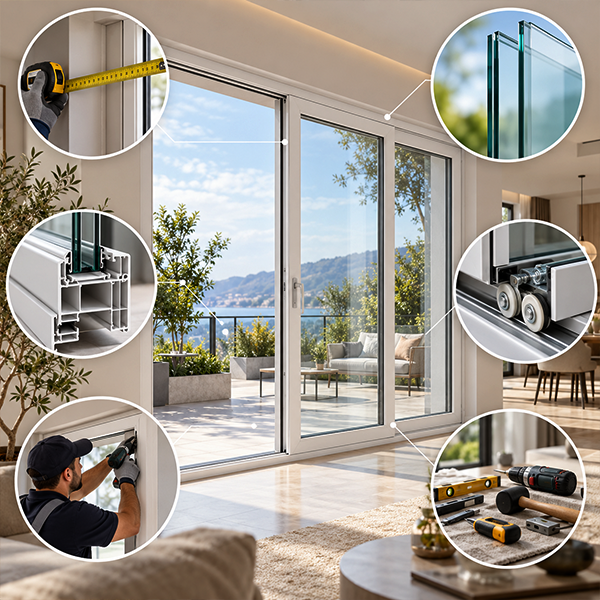
uPVC Sliding Door Price: What uPVC Sliding Doors Manufacturers Include in the Installed Cost
Choosing a sliding door involves more than selecting a style you like. The final uPVC sliding door price depends on the opening size, frame profile, glass, hardware, finish, transport, and installation. Two doors that look similar can have different specifications—and different installed costs. That is why homeowners should compare complete quotations, not headline prices alone. If you are researching upvc sliding doors manufacturers, ask each supplier to quote against the same measurements and requirements. This guide explains the main cost factors, what to check before ordering, and how to manage your budget without overlooking performance and safety.
What Is the Typical uPVC Sliding Door Price?
There is no single price for every uPVC sliding door. Cost depends on dimensions, number of panels, glass, profile system, hardware, colour, site conditions, and installation inclusions. A standard balcony door and a large multi-panel opening are not directly comparable. For a meaningful estimate, share measurements, preferred design, glass requirements, and installation location, then request an itemised quotation.
How Do uPVC Sliding Doors Manufacturers Calculate the Price?
A quotation combines the specified materials and hardware with fabrication, transport, fitting, sealing, and any site preparation the supplier agrees to provide. The exact scope varies, so check what is included before comparing suppliers.
1. Door Dimensions and Number of Panels
A wider or taller opening generally needs more frame material and glass. Adding panels can also change the hardware and door configuration. A two-panel system may cost less than a larger multi-panel design, but the final price depends on dimensions and specification.
Measure the opening accurately before production. If it needs masonry changes or sill correction, ask whether that work is included or priced separately.
2. Frame Profile and Construction Quality
The uPVC profile supports the glass and moving panels. Profile design, dimensions, reinforcement where required, welding quality, and compatibility with the chosen glass and hardware affect the complete system. Do not judge quality by appearance alone.
Ask for the profile specification and product documentation. In India, the Bureau of Indian Standards lists IS 17953:2023 for uPVC profiles for windows and doors. Ask the supplier what relevant standards and test documentation support the proposed system. A low quote deserves careful checking if key specifications are missing.
3. Glass Type and Specification
Glass can be a significant part of the total cost. Standard clear glass is usually more basic than specialised glazing, while double glazing, laminated glass, or toughened safety glass can increase the price.
Choose glass according to the opening, safety needs, noise exposure, climate, and performance goals. Double glazing uses two panes separated by a sealed space and may improve thermal performance when designed as part of a suitable system. Toughened and laminated glass serve different safety purposes and are not interchangeable. India’s BIS standard IS 2553 (Part 1):2018 covers safety glass for architectural, building, and general uses; confirm the right specification for your application.
4. Rollers, Tracks, Locks, and Handles
Sliding doors depend on properly matched rollers and tracks to move smoothly. Locks, handles, gaskets, brush seals, and other fittings also affect cost. Heavier panels may need hardware designed to carry their weight, so the cheapest fitting is not automatically suitable.
Ask the supplier to list the hardware, locking arrangement, and whether post-installation adjustments are covered. These components affect everyday operation, security, and how properly the door closes.
5. Colour, Finish, and Customisation
Standard finishes can be more economical than special colours, wood-effect finishes, unusual dimensions, or made-to-order configurations. Customisation may add manufacturing steps or extend lead times. Decide which design features matter before requesting the final quote, and confirm the finish in writing or through an approved sample.
6. Delivery and Installation Conditions
Installed cost may include site measurement, transport, fitting, sealing, levelling, finishing, and final adjustment. Not every quotation includes all these services. Removing an old door, difficult access, correcting an uneven opening, or repairing surrounding walls may add charges.
Ask for a site inspection where needed. Even a well-made door can slide poorly or allow drafts and water ingress if it is installed out of level or the perimeter is not sealed correctly.
How Should You Compare Quotations?
Compare like with like. Ask every supplier to quote for the same dimensions, panels, profile system, glass, finish, hardware, and installation scope. Then compare warranty coverage, delivery schedule, service support, payment terms, and exclusions—not just the total.
For example, a lower product-only quote may exclude delivery, installation, or upgraded locks, while a higher quote may include them. Add excluded costs before deciding which offer gives better value. When contacting upvc sliding doors manufacturers, request an itemised breakdown so you can identify differences clearly.
How Can You Control the Installed Cost?
Finalise dimensions and panel configuration early, as late changes can affect production and installation. Choose glazing and finishes according to the room’s needs rather than paying for features you will not use. Avoid cutting corners on compatible hardware, appropriate safety glass, weather seals, or professional fitting.
Before paying an advance, confirm measurements, product specifications, installation inclusions, warranty terms, delivery timeline, taxes, and the process for handling adjustments. Keep the agreed quotation and drawings for reference. These checks make offers easier to compare and reduce the risk of surprise charges.
What Should You Ask Dhabriya Polywood Before Ordering?
Dhabriya Polywood lists uPVC doors on its website and has a category for uPVC sliding-door-related content. Discuss your measurements, number of panels, glass, finish, locking requirements, and installation location. Ask which services are included, what warranty applies, and whether a site measurement is required for a firm quotation.
When comparing upvc sliding doors manufacturers, evaluate the complete product and service package. Dhabriya Polywood is one option to investigate; choose a supplier whose documented specifications, quote, and support match your project needs.
Conclusion
The installed uPVC sliding door price is shaped by dimensions, profile construction, glass, hardware, customisation, delivery, and site work. Fair comparisons require matching specifications and a clear list of inclusions. When choosing upvc sliding doors manufacturers, consider product suitability, installation quality, warranty, and after-sales support alongside the initial amount. By asking clear questions and reviewing an itemised estimate, you can select a sliding door that fits your opening, requirements, and budget with fewer surprises.
Frequently Asked Questions
1. What determines the price of a uPVC sliding door?
The main factors are door dimensions, panel configuration, frame profile, glass specification, hardware, colour, transport, and installation requirements.
2. Does installation increase the total uPVC sliding door price?
Yes. Site measurement, transportation, fitting, sealing, adjustments, removal of an existing door, and structural repairs can affect the final amount. Check which services are included in the quotation.
3. Is double glazing worth the additional cost?
Double glazing can improve thermal insulation when appropriately designed. It may be worth considering for spaces where indoor temperature control and noise reduction are priorities, although performance depends on the complete door system and installation.
4. Which glass is suitable for uPVC sliding doors?
The appropriate glass depends on the opening, location, safety requirements, and performance needs. Toughened and laminated glass provide different safety characteristics, so consult the supplier about the suitable specification.
5. How do I compare uPVC sliding doors manufacturers?
Compare the same dimensions, frame specifications, glazing, hardware, finish, and installation requirements. Also review warranty coverage, delivery timelines, service availability, and exclusions before selecting a supplier.
6. How can I get an accurate installed-cost quotation?
Provide the opening measurements, number of panels, preferred finish, glass requirements, and installation location. Request a site measurement if necessary and ask for an itemised quotation covering materials, hardware, installation, taxes, and additional work.