
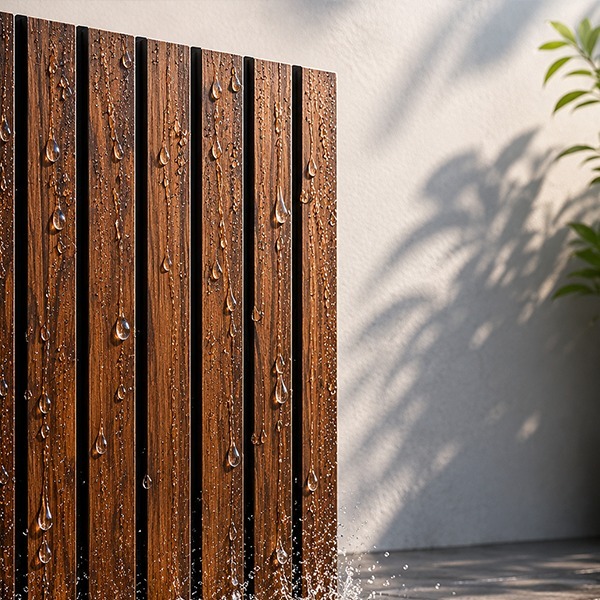
Are PVC Wall Panels Waterproof? Everything You Need to Know
When choosing materials for home interiors, most people focus on design, color, and appearance. But there is another important factor that often gets ignored—water resistance. This matters even more in areas like bathrooms, kitchens, utility spaces, and even living rooms in humid climates.
Traditional wall finishes can get damaged over time due to moisture. Paint may peel, wooden surfaces may swell, and damp walls can affect the overall look of a home. Because of these issues, homeowners are now looking for alternatives that are durable and easy to maintain.
One option that has become increasingly popular is the PVC wall panel. These panels are widely used in modern homes because they offer a stylish look while solving common problems related to moisture and maintenance.
But one question still comes up frequently:
Are PVC wall panels really waterproof?
The simple answer is yes. However, understanding why they are waterproof, how they work, and where they should be used can help you make a better decision for your home. This blog explains everything in an easy way.
What Are PVC Wall Panels?
PVC stands for Polyvinyl Chloride, a strong and durable plastic material used in many construction and interior products.
A PVC wall panel is a finished panel installed on walls to improve appearance and provide extra protection. These panels come in different textures, patterns, and finishes, including wood, marble, and glossy designs.
Unlike traditional wall treatments, PVC panels are designed to handle daily wear and environmental changes more effectively.
They are commonly used in:
- Bathrooms
- Kitchens
- Bedrooms
- Living rooms
- Offices
- Commercial spaces
- Utility areas
Their growing popularity is mainly because they combine design with functionality.
Are PVC Wall Panels Waterproof?
Yes, PVC wall panels are waterproof.
This means they do not absorb water when exposed to moisture or humidity. Unlike wood or painted surfaces, PVC material does not swell, crack, peel, or lose shape due to water exposure.
The waterproof nature of PVC comes from its composition. Since PVC is a plastic-based material, water cannot easily penetrate or damage it.
This makes these panels suitable for areas where moisture is common.
Why Waterproof Materials Matter in Homes
Many people underestimate how much moisture affects interiors.
Water damage does not always happen suddenly. Sometimes it builds slowly over months or years.
Common problems caused by moisture include:
1. Peeling Paint
Walls exposed to humidity often develop peeling or bubbling paint. This affects appearance and increases maintenance costs.
2. Mold and Fungus Growth
Moist environments encourage mold formation, which can damage walls and create hygiene issues.
3. Weakening of Materials
Some materials absorb moisture and gradually lose strength.
4. Frequent Repairs
Water damage often leads to regular repairs, repainting, or replacement.
Waterproof materials reduce these issues significantly.
How PVC Wall Panels Resist Water
Understanding how PVC panels work helps explain why they perform well.
Non-Porous Surface
PVC has a non-porous surface. This means water stays on the surface instead of being absorbed.
Moisture Resistance
Even in humid conditions, PVC remains stable.
No Swelling or Expansion
Wood and some wall materials expand after absorbing moisture. PVC maintains its shape.
Easy Drying
Any water on the panel surface can simply be wiped away.
Because of these features, homeowners prefer PVC solutions for long-term interior use.
Areas Where Waterproof PVC Wall Panels Work Best
Not every room experiences the same conditions. Some spaces benefit more from waterproof materials.
Bathrooms
Bathrooms experience constant exposure to steam and water.
Traditional wall finishes may deteriorate over time, but PVC panels perform better because they resist moisture.
Kitchens
Cooking creates steam, oil particles, and humidity.
PVC wall panels help maintain a cleaner and more durable surface in kitchens.
Utility Rooms
Laundry areas often have moisture due to washing machines and drying activities.
Waterproof panels are useful in these spaces.
Basements
Basements can experience dampness, making moisture-resistant materials important.
Commercial Spaces
Restaurants, salons, and offices increasingly use PVC panels because maintenance becomes easier.
Can PVC Wall Panels Be Used Near Showers?
This is a common question.
Yes, properly installed PVC panels can be used near shower areas because they resist moisture.
However, installation quality matters. Gaps or poor fitting can reduce performance.
Professional installation helps ensure better durability.
Waterproof Does Not Mean Maintenance-Free
Although PVC panels are waterproof, they still require basic care.
Fortunately, maintenance is simple.
You can:
- Wipe dust regularly
- Clean with a soft cloth
- Use mild cleaning solutions when needed
- Avoid harsh chemicals
Compared to repainting walls, maintenance is much easier.
Benefits of Waterproof PVC Wall Panels
Water resistance is important, but it is not the only advantage.
-
Long Life
PVC panels generally last for years with minimal maintenance.
-
Easy Cleaning
Stains and dust can usually be removed quickly.
-
Modern Appearance
Panels come in different designs suitable for contemporary interiors.
-
Reduced Maintenance Costs
Lower repair requirements help save money over time.
-
Resistance to Termites
Unlike wood, PVC is not affected by termites.
-
Faster Installation
Installation often takes less time compared to some traditional wall treatments.
PVC Wall Panels vs Traditional Paint
People often compare wall panels with paint.
Here is a simple comparison:
Water Resistance
Paint may peel over time. PVC performs better.
Maintenance
Painted walls may need touch-ups. Panels require simple cleaning.
Durability
PVC usually lasts longer.
Appearance
Panels provide texture and depth that paint cannot easily create.
Long-Term Cost
Repeated repainting increases expenses, while durable panels reduce maintenance needs.
This is one reason why the PVC wall panel industry continues growing in residential interiors.
PVC Wall Panels vs Wooden Wall Finishes
Wood gives a premium look, but moisture can affect it.
Wood may:
- Swell
- Crack
- Warp
- Attract termites
PVC panels avoid many of these issues.
This makes them practical in humid environments.
Common Myths About PVC Wall Panels
There are several misconceptions surrounding PVC materials.
Let’s clear a few.
Myth 1: PVC Panels Are Not Strong
Reality: Good-quality PVC panels are durable and long-lasting.
Myth 2: Waterproof Means Indestructible
Reality: Waterproof materials resist moisture but still require proper installation and care.
Myth 3: PVC Panels Only Suit Bathrooms
Reality: They are now widely used in bedrooms, living rooms, offices, and commercial interiors.
Myth 4: Panels Have Limited Designs
Reality: Modern options come in various textures and finishes.
How to Choose High-Quality PVC Panels
Not all products offer the same quality.
Consider these factors:
Material Strength
Choose durable and reliable panels.
Surface Finish
A better finish improves appearance and performance.
Thickness
Appropriate thickness contributes to durability.
Manufacturer Reputation
Reliable suppliers often provide better quality standards.
Installation Support
Proper fitting affects long-term performance.
Are PVC Wall Panels Worth the Investment?
Many homeowners focus only on initial cost.
However, long-term value matters more.
Products that require fewer repairs and less maintenance often become more economical over time.
Because PVC panels resist water and remain durable, they can provide better long-term value for interiors.
Why Demand for PVC Wall Panels Is Increasing
Modern homeowners want materials that offer:
- Better durability
- Easy cleaning
- Stylish designs
- Lower maintenance
- Longer lifespan
PVC panels meet these expectations.
This explains why interior trends increasingly include waterproof wall solutions.
The demand for PVC wall panel products continues rising as people look for practical alternatives to traditional wall finishes.
Final Answer: Are PVC Wall Panels Waterproof?
Yes, PVC wall panels are waterproof.
Their ability to resist moisture is one of the main reasons they have become popular in modern homes and commercial spaces.
They help reduce common problems linked with dampness, require less maintenance, and provide a stylish appearance at the same time.
For spaces exposed to humidity, waterproof materials can make a major difference in long-term durability.
Conclusion
Choosing the right wall solution is important because it affects appearance, maintenance, and durability over time. Waterproof interiors reduce the risk of damage and help keep spaces looking fresh for years.
As homeowners continue moving toward practical and long-lasting solutions, PVC panels have become a preferred option for modern interiors. For reliable and quality-driven solutions, Dhabriya Polywood offers products designed to combine durability, functionality, and style for contemporary spaces.