
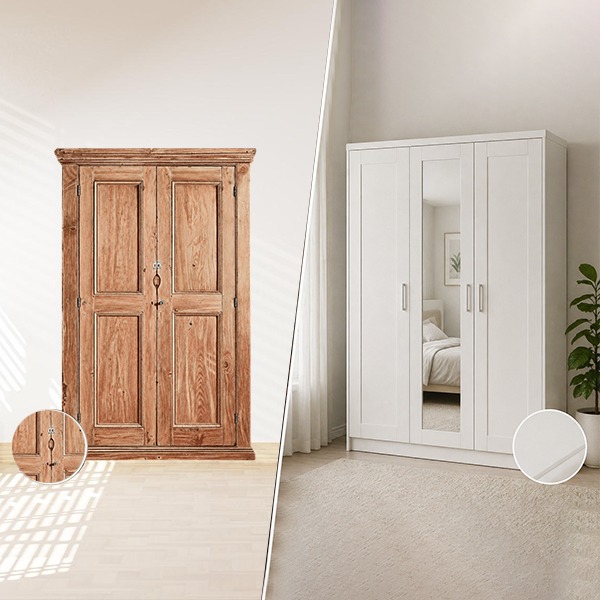
Still Choosing Wooden Furniture? See Why uPVC Furniture Is More Practical Today
For a long time, wooden furniture has been the default choice in most homes. It feels familiar. It looks traditional. Many people grow up seeing wooden cupboards, beds, and cabinets, so naturally they trust it.
But things are changing now.
Homes today are different. Lifestyles are faster. People want things that are easy to manage, not things that need constant care. Because of this shift, many homeowners are now looking at alternatives. One option that is getting a lot of attention is uPVC furniture.
At first, it may feel unusual. But once you understand how it actually performs in daily life, the difference becomes clear.
The Reality of Maintaining Wooden Furniture
Wood may look good when it is new, but it comes with responsibilities.
It needs care. Regular polishing. Protection from moisture. And even after all that, there is always a risk of damage. In many homes, especially in areas with humidity, wooden furniture can swell or lose its shape over time.
Then there is the issue of termites. This is something people often deal with quietly until it becomes a bigger problem. Once it starts, fixing it is neither simple nor cheap.
Small scratches, fading, and wear also show up faster than expected. Over time, maintaining wooden furniture becomes more work than most people initially think.
Why uPVC Feels More Practical in Daily Life
This is where uPVC starts to make sense.
You don’t really have to worry about termites here. That removes one major headache straight away. It also handles moisture much better, which makes it suitable for kitchens, bathrooms, and areas where wood usually struggles.
Another thing people notice quickly is how easy it is to maintain. There is no polishing required. No special treatment. Most of the time, a simple wipe is enough to keep it clean.
In homes where things are always happening, especially with kids around, furniture goes through regular use. uPVC handles that kind of daily use without showing too much damage.
It simply keeps doing its job without demanding attention.
Looks Have Changed More Than People Think
One reason people hesitate with uPVC is the assumption that it won’t look as good as wood.
That used to be true earlier, but not anymore.
Today, uPVC furniture comes in clean designs and modern finishes. Some options even mimic wood textures quite well. But more importantly, many people now prefer a simpler and more minimal look in their homes.
Instead of heavy and bulky furniture, they choose something lighter and easier to manage. uPVC fits well into that style.
Thinking Beyond the Initial Cost
A lot of people assume wooden furniture is a one-time investment. It sounds practical in the beginning.
But over time, costs start adding up. Repairs, polishing, termite treatment, and sometimes even replacements.
With uPVC, you usually don’t run into these extra expenses later. Once it is installed, it stays in good condition without asking for much attention.
So at first, wood may seem like the obvious choice. But when you look at it over a few years, uPVC often turns out to be the simpler option.
Works Well Across Different Spaces
Another reason uPVC is becoming common is its flexibility.
You’ll now see it being used in kitchens, wardrobes, cabinets, and storage areas. It adapts easily to different parts of the house.
Since it is not affected much by moisture or temperature changes, people feel more comfortable using it in places where wooden furniture might not last as long.
It also stays stable over time, which means fewer adjustments and repairs.
Fits Better with Modern Living
Homes today are not designed the same way as before.
People move cities. Rent spaces and they redesign interiors more often. They want furniture that supports this kind of lifestyle instead of slowing it down.
uPVC fits best into this idea. It is easy to handle, does not demand too much care, and keeps things simple.
It is not about replacing wood completely. Wood will always have its place. But uPVC gives another option, especially for people who want less maintenance and more ease.
One Small Thing People Realise Later
A lot of people don’t notice this immediately.
But after using uPVC for some time, they realise how much mental effort it saves. They don’t have to think about maintenance, repairs, or seasonal issues again and again.
That small peace of mind matters more than expected. It makes the whole experience of managing a home feel lighter.
What People Realise After Using It
Interestingly, many people who switch to uPVC don’t go back.
Not because wood is bad, but because they realise how much effort they were putting in earlier.
Once they experience furniture that does not need constant attention, their expectations change. Convenience starts mattering more than tradition.
Durability in the Long Run
Another thing people notice over time is durability. Furniture is not something that is changed again and again. People expect it to last without creating issues.
Wood can weaken in certain conditions, especially when exposed to moisture or pests over time. Small issues may not be visible in the beginning but slowly become noticeable.
uPVC holds its structure better. It does not weaken easily and continues to function the same way even after years of use. For many homeowners, this reliability becomes one of the biggest reasons to choose it.
The Role of the Right Brand
Of course, the experience also depends on where you get it from.
At Dhabriya Polywood we focus on making furniture which actually works in real homes and which not just only looks good in showrooms. The idea is simple. Give people something that lasts, looks neat, and does not create extra work.
When customers understand the difference properly, they usually find it easier to decide.
Conclusion
Furniture is not just about how it looks on day one. It is about how it performs over time.
Wood still has its appeal. But it also comes with effort, care, and long-term maintenance.
uPVC, on the other hand, keeps things simple. It handles daily use well, needs less attention, and fits better with how homes function today.
In the end, it is not about following tradition or trends. It is about choosing what actually works for your space and your lifestyle.
And for many people now, that choice is slowly shifting.