
Choosing a uPVC Fixed Window Manufacturer for Staircases, Foyers and Large Glass Areas
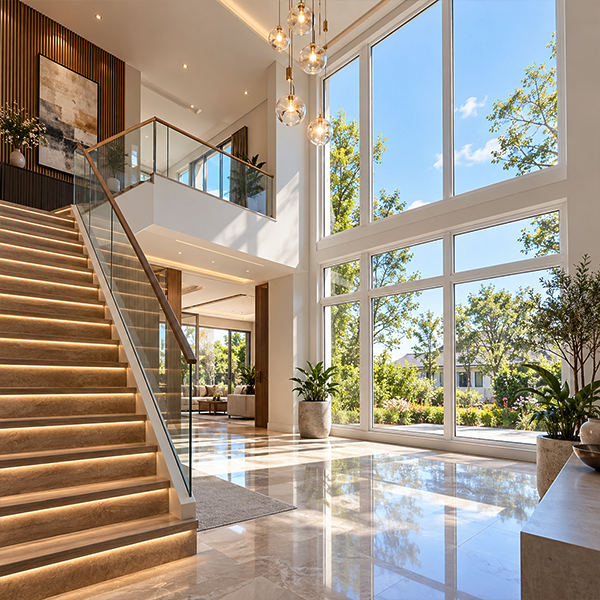
Staircases, foyers and double-height spaces need daylight without sacrificing a clean architectural look. Fixed uPVC windows can make them feel brighter and more connected to the outdoors. Because they do not open, they suit spaces where ventilation is provided separately and an uninterrupted glass area is the priority. Large glazing also requires attention to glass safety, structural support, solar heat, sealing and installation. The right specification balances appearance with indoor comfort, durability and safe access for cleaning. When evaluating a uPVC fixed window manufacturer, look beyond product photographs and ask how the proposed system will perform at your exact size, height and exposure. Review uPVC fixed windows against those priorities.
What Is a Fixed uPVC Window?
A fixed uPVC window is a non-opening window made with an unplasticised polyvinyl chloride frame and glazing. It brings in daylight and provides a view, but cannot provide ventilation or serve as an escape opening. Because it has no operating sash, a well-made fixed unit can also reduce potential air-leakage paths compared with many opening styles. FGIA identifies fixed windows as the window type with the least opportunity for air infiltration, while noting that installation remains important.
Where Do Fixed Windows Work Best?
In a staircase, fixed glazing brings daylight into a tall, narrow zone. On a landing, consider privacy and views from neighbouring buildings. In a foyer, broad glazing can create a welcoming first impression and make the entrance feel larger. In a double-height lounge, fixed units provide wide views with fewer frame divisions.
The design must fit the space. A window above a stair flight may be difficult to clean from inside, while glass close to floor level may need additional safety consideration. If the area also needs fresh air, plan a separate opening window or mechanical ventilation.
How Should You Choose a uPVC Fixed Window Manufacturer?
A reliable uPVC windows and doors provider should explain the complete window system, not only the uPVC profile. Before approving a quotation, compare the glass, dimensions, reinforcement, sealing details, installation scope and after-sales support. Ask for product data and project-specific drawings wherever the opening is large, tall or exposed to strong sun or wind.
1. Confirm Glass Safety and Specification
Large glass panels need suitable glass for their location, dimensions and risk of human impact. Ask whether toughened or laminated safety glass is required, and request the glass make-up and thickness in writing. The right choice depends on panel size, support, wind pressure and nearby pedestrian areas; confirm it with the architect or glazing specialist. In India, consult current applicable BIS requirements for architectural safety glass, including IS 2553 (Part 1):2018 and its amendments
2. Match the Window to Sunlight and Heat
Large glass areas can admit substantial solar heat, particularly on sun-exposed elevations. Ask about glazing suited to the window’s direction, local climate and room use. Low-emissivity coatings, tinted glass or insulated glazing may help, depending on the project. The US Department of Energy explains that U-factor indicates heat transfer through a window, while solar heat gain coefficient (SHGC) indicates how much solar heat passes through it. Lower U-factor values generally indicate better insulation. Compare like-for-like specifications where product data is available.
3. Check Frame Design and Panel Size
Not every profile or configuration suits every opening. Ask the manufacturer to review the final width and height, glass weight, wind exposure, reinforcement, fixing points and required support. For unusually tall or wide installations, request drawings and confirmation that the selected system suits those dimensions. A profile that works in a small bedroom window may not be suitable for a double-height façade.
4. Ask About Sealing and Drainage
Performance depends on the whole installed assembly. Confirm how the frame is sealed to the wall, how rainwater is managed, and what flashing or sill details are proposed. The installer should set the frame plumb, level and square, with specified insulation and perimeter seals. FGIA notes that incorrect installation and gaps around the rough opening can contribute to air leakage. Even a good product can underperform if the opening is poorly prepared or sealed.
5. Understand Maintenance and Access
uPVC generally needs less routine upkeep than painted timber, but the glass, frame and seals still need periodic cleaning and inspection. Before choosing a high-level window, decide how it will be reached safely. Ask what the warranty covers, and confirm exclusions in writing. Dhabriya Polywood lists fixed-window options and product support on its fixed window, a useful starting point for discussing project-specific needs.
Should You Choose One Large Panel or Several Smaller Windows?
One large pane gives a more continuous view and fewer visible divisions, but it can be heavier, harder to transport and install, and more expensive to replace if damaged. Several smaller panels can simplify handling and create a deliberate grid, although extra frame lines interrupt the view. The decision depends on dimensions, site access, glass availability, structural design and budget—not appearance alone. For a corner or nearly frameless effect, compare glass-to-glass windows and confirm whether that system suits the location.
What Should Be Planned Before Installation?
Before fabrication, share measurements, floor level, wall construction and site photographs with the supplier. Confirm the finished frame size after accounting for plaster, cladding and sill details. Check whether scaffolding, a lift or other safe access will be needed for stairwells and double-height façades. Approve a drawing showing frame divisions, glass specification, colour, fixing method and sealing details.
Check local building rules and fire and egress requirements, too. A fixed window is not a substitute for a required opening, ventilation provision or designated escape route. Requirements vary by building type and jurisdiction, so have the architect or relevant authority confirm them before ordering.
Common Mistakes to Avoid
Do not select glass only by appearance, assume every uPVC frame can span any opening, or leave installation details until fitting day. Account for the direction of sunlight, because morning and afternoon exposure can affect indoor comfort differently. Compare quotations for profile, glass, reinforcement, installation, warranty and after-sales support; a lower price may not mean the same specification.
Conclusion
The best fixed window balances daylight, views, safety, thermal comfort and installation performance. Before choosing a uPVC fixed window manufacturer, confirm glass specification, maximum panel dimensions, sunlight control, sealing method and safe maintenance access. Dhabriya Polywood’s fixed-window range can be a starting point, but the final configuration should match the opening and be checked by the project’s design professional. With careful planning, fixed glazing can brighten staircases, foyers and large interiors without treating safety or comfort as an afterthought.
FAQs
1. Are fixed uPVC windows suitable for staircases?
Yes. Fixed uPVC windows are suitable for bringing natural light into staircases, landings and double-height spaces. The glass specification, installation height, structural support and safe cleaning access should be considered before installation.
2. Do fixed uPVC windows open for ventilation?
No. Fixed windows are designed to remain closed. If a staircase or foyer needs natural ventilation, plan a separate operable window or suitable mechanical ventilation system.
3. Which glass is best for large fixed uPVC windows?
The right glass depends on the panel dimensions, location, human-impact risk and structural requirements. Toughened or laminated safety glass may be appropriate. Ask the glazing specialist to confirm the specification and applicable BIS requirements.
4. Do large fixed windows make a room hotter?
They can, particularly when exposed to direct sunlight. Glazing selection should account for window orientation, climate and room use. Appropriate coatings or insulated glazing can help manage heat transfer.
5. Are fixed windows more airtight than opening windows?
Fixed windows generally offer fewer potential air-leakage paths because they do not have an operating sash. However, frame quality, perimeter sealing and correct installation remain important to actual performance.
6. How should high staircase windows be maintained?
Plan safe access for cleaning and inspection before installation. Check the glass, frames and seals periodically, and follow the manufacturer’s maintenance recommendations. Avoid relying on unsafe ladders or difficult-to-reach cleaning methods.