
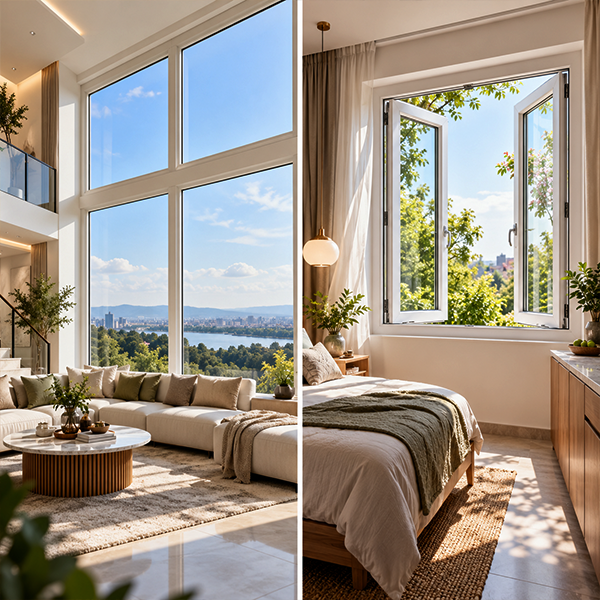
Fixed vs Openable uPVC Windows: Where Does Each Type Work Best?
Choosing the right windows affects natural light, ventilation, privacy, and everyday comfort. Fixed and openable uPVC windows serve different purposes, so the best option depends on the room, its layout, and how you use the space. Fixed windows create bright, unobstructed views, while openable windows allow fresh air to circulate and make cleaning easier from accessible positions. Understanding these differences helps homeowners, architects, and builders make practical decisions. If you are comparing options from an upvc fixed window manufacturer, it is important to consider more than appearance. Frame quality, glass selection, installation, and ventilation requirements all influence the final result. Here is how to decide which window type works best for your project.
What Is the Difference Between Fixed and Openable uPVC Windows?
Fixed uPVC windows remain permanently closed, whereas openable uPVC windows include operating panels that swing, slide, or tilt to provide ventilation. Both use unplasticized polyvinyl chloride (uPVC) frames, but their functions differ.
A fixed window is designed primarily for daylight and views. An openable window provides additional airflow and access for cleaning, depending on its opening mechanism and installation.
The key distinction is simple: fixed windows prioritize light and views, while openable windows prioritize ventilation and access. Some rooms benefit from one type alone, while others work better with a combination of both.
Where Do Fixed uPVC Windows Work Best?
Fixed windows are ideal for areas where natural light and outdoor views matter more than opening the window for ventilation.
1. Living Rooms and Feature Walls
Large fixed windows can brighten living rooms and frame garden, balcony, or city views. Because they have no opening sash, they can offer a relatively uninterrupted glass area, depending on the frame design and overall window dimensions.
They are especially suitable for feature walls where the objective is to connect indoor spaces visually with the outdoors.
2. Staircases and Corridors
Staircases and corridors often receive limited daylight. Fixed windows can introduce natural light without requiring an opening mechanism in a narrow or difficult-to-access location.
High-level installations can also provide daylight while maintaining privacy, particularly when paired with suitable glazing.
3. Bedrooms and Rooms with Separate Ventilation
Fixed windows can work well in bedrooms that have another appropriately sized openable window or a suitable mechanical ventilation system. They can provide daylight without taking up additional interior or exterior operating space.
However, a fixed window should not be the only window in a room when that room requires an opening for ventilation, emergency escape, or another applicable building requirement.
Why Choose a Fixed Window?
- Uninterrupted views and generous daylight potential.
- No hinges, handles, or opening hardware to operate.
- Fewer moving components to maintain.
- Flexible placement in large or high-level glazed areas.
The main limitation is that fixed windows cannot be opened for fresh air. Glass cleaning and safe exterior access should also be considered before selecting a large installation.
Where Do Openable uPVC Windows Work Best?
Openable windows are best for rooms that need regular ventilation, such as kitchens, bathrooms, bedrooms, and living areas without another adequate source of fresh air.
1. Kitchens
Cooking generates heat, moisture, and odours. An openable window can help remove these when outdoor conditions permit. The most suitable design depends on available wall space, nearby cabinets, the location of the cooking area, and the direction of airflow.
A sliding window can be practical where a swinging sash would interfere with counters or other objects.
2. Bathrooms and Utility Areas
Bathrooms can accumulate humidity, so an openable window may help reduce moisture when used alongside appropriate extraction and moisture-control measures. Privacy glass can provide daylight without compromising privacy.
Before installation, consider water exposure, hardware quality, and how easily the window can be reached and cleaned.
3. Bedrooms and Everyday Living Spaces
Openable windows allow occupants to regulate natural airflow according to weather, noise, outdoor air quality, and personal comfort. Their practical value is especially high when the room has no alternative ventilation opening.
Common designs include casement windows, which open on hinges, and sliding windows, whose panels move horizontally. Tilt-and-turn designs may offer more than one opening position, depending on the product.
What Are the Main Advantages of Openable Windows?
Openable uPVC windows provide controllable ventilation, convenient operation, and potential access for cleaning. Their performance depends on the opening style, seals, hardware, glass, and installation quality.
However, they require clearance for moving panels or sufficient space for sliding sections. Hinges, locks, rollers, and handles also need periodic inspection and maintenance.
Fixed vs Openable uPVC Windows: Which Is Better?
Neither option is universally better. Fixed windows suit spaces that prioritize daylight and views, while openable windows suit spaces where ventilation is essential.
| Factor | Fixed uPVC windows | Openable uPVC windows |
| Main purpose | Light and views | Ventilation and access |
| Airflow | No direct opening | Allows airflow when opened |
| Moving hardware | Not required | Required |
| Space requirements | No sash clearance | Depends on opening style |
| Cleaning | May need external access | May allow easier access, depending on design |
| Best applications | Feature walls, staircases, high-level glazing | Kitchens, bedrooms, bathrooms |
Both types can provide good thermal and weather performance when appropriately designed and correctly installed. Actual performance depends on frame construction, glazing, seals, drainage, hardware, and workmanship—not simply whether a window opens.
What Should You Check Before Choosing a uPVC Window?
Before selecting a design, evaluate these practical factors:
Ventilation requirements: Identify which rooms need openable windows and whether additional ventilation is available.
Room layout: Check for furniture, kitchen counters, walkways, curtains, and balconies that may restrict opening panels.
Glass and frame specifications: Ask about glazing options, frame dimensions, weather sealing, drainage, and thermal performance.
Safety and access: Consider child safety, secure locking, upper-floor cleaning, and applicable emergency-exit requirements.
Installation quality: Even a well-made window can underperform if measurements, sealing, alignment, or drainage are poor.
For a coordinated design, compare suitable uPVC windows across the available styles and configurations. If you are planning a larger glazed area, discuss fixed-window dimensions, glass selection, and structural requirements with the supplier before finalizing the design.
How Can You Combine Fixed and Openable Windows?
Combining both types often delivers a better balance than choosing only one. For example, a living room can use a large fixed pane for an outdoor view alongside an openable section for ventilation. A staircase can have fixed high-level glazing, while nearby rooms use openable windows for fresh air.
For a home renovation, first identify ventilation needs, then position fixed glazing where daylight and views are most valuable. Consider uPVC sliding windows where horizontal operation helps save sash clearance, or explore uPVC casement windows where a hinged opening better suits the room layout.
Dhabriya Polywood provides a starting point for exploring uPVC window solutions at https://www.polywood.org/. Confirm the available configurations, dimensions, and technical specifications with the company before choosing a particular design.
Conclusion
Fixed and openable uPVC windows serve different purposes, and the right choice depends on the room’s ventilation needs, layout, daylight requirements, and maintenance access. Fixed windows are excellent for uninterrupted views and natural light, while openable designs offer greater control over airflow. For many homes, combining both creates the most practical result. When comparing products from an upvc fixed window manufacturer, evaluate frame quality, glazing, seals, installation, and safety requirements alongside appearance. A well-planned selection improves comfort and makes better use of every window opening.
FAQs: Frequently Asked Questions
1. What is the main difference between fixed and openable uPVC windows?
Fixed uPVC windows cannot be opened and are primarily used for daylight and views. Openable uPVC windows feature movable panels that allow ventilation and may provide easier access for cleaning.
2. Are fixed uPVC windows better than openable windows?
Fixed windows are better for uninterrupted views and areas where ventilation is available elsewhere. Openable windows are more suitable for rooms that need regular fresh air. The best option depends on the room’s purpose and layout.
3. Where should fixed uPVC windows be installed?
Fixed uPVC windows work well in living rooms, staircases, corridors, feature walls, and high-level glazed areas. They are particularly useful where natural light and outdoor views are priorities.
4. Which uPVC windows are best for bedrooms?
Openable casement or sliding uPVC windows can suit bedrooms where ventilation is needed. The choice depends on available space, airflow requirements, security, and ease of operation.
5. Can fixed and openable uPVC windows be combined?
Yes. Combination windows can include fixed glass panels alongside sliding or casement sections. This arrangement provides natural light and outdoor views while allowing controlled ventilation through the opening sections.
6. Do fixed uPVC windows require less maintenance?
Fixed windows generally have fewer moving components because they do not require opening hardware. However, their glass and frames still need cleaning, and large installations may require safe external access.
7. How do I choose a reliable upvc fixed window manufacturer?
Compare frame quality, glass options, sealing systems, customization, installation services, warranty terms, and after-sales support. Request product specifications and confirm that the selected window meets your project’s ventilation and safety requirements.