
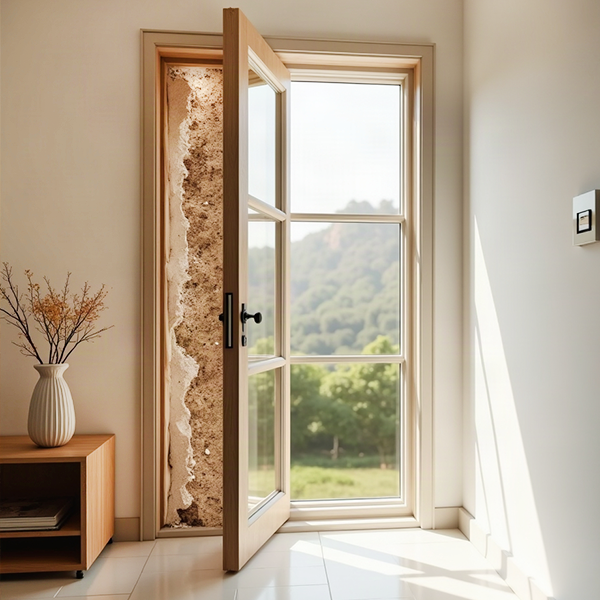
The Termite Problem Nobody Talks About—And Why uPVC Is the Answer
Walk into any old house in India, and you will hear the same story. A wooden door that suddenly feels soft near the bottom. A window frame that crumbles when you press it. A cupboard shelf that caves in with almost no weight on it. Everyone blames “old wood” or “bad quality timber.” Almost nobody says the real word out loud: termites.
That is strange, because termites are not rare. They are everywhere. And yet homeowners keep buying wooden doors, windows, and furniture, year after year, as if nothing has changed. This is the termite problem nobody talks about. And the quiet, practical fix that more and more Indian homes are switching to is the PVC panel and other uPVC-based products that termites simply cannot eat.
Why Termites Love Indian Homes So Much
India has the perfect weather for termites. Warm temperatures, high humidity during monsoons, and homes built close to soil or with wooden fittings give termites everything they need to survive and multiply. According to pest control experts, termites cause damage worth thousands of crores every year across the country, most of it hidden inside walls, under floors, and behind furniture where nobody looks until it is too late.
The tricky part is that termites are silent workers. They do not make noise. They do not leave visible marks in the beginning. A termite colony can live inside a wooden door frame for months, sometimes years, quietly eating away the inside while the outer surface still looks fine. By the time you notice sagging wood or hollow sounds when you knock on a panel, the damage is usually already deep.
This is why so many families feel shocked when a wooden almirah collapses or a door frame gives way during monsoon season. It feels sudden. But it was never sudden. It was slow and invisible, exactly how termites work.
The Hidden Cost of Wood in a Termite Country
Traditional wood furniture and fittings need constant maintenance if you want to keep termites away. Regular polishing, chemical treatments, anti-termite sprays, and periodic pest control visits all add up. Even then, there is no full guarantee. One monsoon season with high moisture, and termites can find their way back in.
Add to this the rising cost of good-quality timber in India. Genuine teak or sal wood is expensive, and cheaper wood is often more likely to attract pests because it lacks the natural oils that resist insects. Many households end up spending more money on repairs and treatments over ten years than they would have spent on a termite-proof material in the first place.
This is exactly the gap where uPVC doors and windows have quietly stepped in over the last decade. uPVC, or unplasticized polyvinyl chloride, is a synthetic material. It has no organic content, which means termites, borers, and other wood-eating insects have absolutely nothing to feed on. There is no cellulose, no natural fiber, and nothing that attracts a termite colony in the first place.
What Makes uPVC Genuinely Termite-Proof
It helps to understand this simply. Termites eat wood because wood contains cellulose, a natural plant fiber. uPVC is made from a chemical compound, not plant material. So a termite biting into a uPVC frame gets nothing out of it. There is no food value at all. This is not a coating or a surface treatment that wears off over time. It is the actual material, right through the core.
This single fact changes everything for Indian homeowners. Once you switch to uPVC doors and windows, the constant worry about termite attack on your frames simply disappears. No more yearly chemical treatments. No more anxious knocking on wood to check if it sounds hollow. No more emergency carpenter visits after the monsoon.
uPVC also handles Indian weather far better than wood in other ways. It does not swell in humidity, does not warp in heat, and does not rot when exposed to moisture near bathrooms and kitchens. For a country with long, wet monsoons and scorching summers, this durability matters just as much as the termite resistance.
Beyond Doors and Windows: The Rise of uPVC Modular Furniture
The termite-proof advantage of uPVC is not limited to doors and windows anymore. Indian homeowners are now choosing uPVC modular furniture for kitchens, wardrobes, and bathroom cabinets, spaces that traditionally suffered the most termite and moisture damage because of constant water exposure.
Think about a kitchen cabinet under the sink or a bathroom vanity that stays damp most of the day. Wooden furniture in these spots often shows the earliest signs of termite and fungal damage because moisture and wood together create the ideal termite environment. uPVC modular furniture solves this problem at the root. It does not absorb water, does not swell, and gives termites nothing to chew on, making it a smart long-term choice for exactly the areas where wood struggles the most.
Another growing trend is the use of a pvc panel for wall cladding and false ceilings, especially in homes located in humid, termite-prone regions. These panels give the warm, finished look of wood-style interiors without any of the termite risk. Designers now use PVC panel options to recreate wooden textures and finishes, so homeowners do not even have to give up the aesthetic they love.
A Smarter Way to Build and Renovate
There is also a cost angle that many people overlook. Yes, uPVC products may look slightly more expensive at the time of purchase compared to basic wood. But when you add up ten or fifteen years of termite treatments, repainting, repairs, and eventual replacement of damaged wooden frames, uPVC almost always works out cheaper in the long run. It is a one-time investment that keeps paying off by avoiding recurring repair costs.
There is also the peace of mind factor, which is hard to put a price on. Parents do not want to discover a collapsed wardrobe shelf with children’s clothes buried inside it. Homeowners do not want to find their brand-new door frame hollow within three years of installation. Choosing termite-proof materials from the very beginning removes this entire category of stress from home ownership.
For anyone currently building a new home or renovating an old one, this is worth thinking about early. Ask your architect or contractor directly whether the doors, windows, and furniture being planned will hold up against termites in the long run, or whether you are simply signing up for the same maintenance cycle your parents dealt with for decades.
Conclusion
Termites are one of those problems that Indian households quietly accept as normal, without ever really tackling the root cause. But the solution has been available for years now, and it is simpler than most people realize. Materials that termites cannot eat solve the problem permanently, instead of managing it with sprays and treatments that only work for a while.
If you are planning your next home renovation or building a new house, it is worth exploring what companies like Dhabriya Polywood offer in terms of termite-proof, weatherproof uPVC solutions for doors, windows, and modular furniture. Making that one smart choice today can save you years of repair bills, stress, and disappointment tomorrow.